STEM education—Science, Technology, Engineering, and Mathematics—forms the foundation of innovation and problem-solving in the modern world. As classrooms evolve to prepare students for future careers, 3D printing has emerged as one of the most transformative tools in STEM learning. By turning digital ideas into tangible objects, 3D printing bridges the gap between theory and practice, making learning more interactive, creative, and impactful.
1. Bringing Concepts to Life
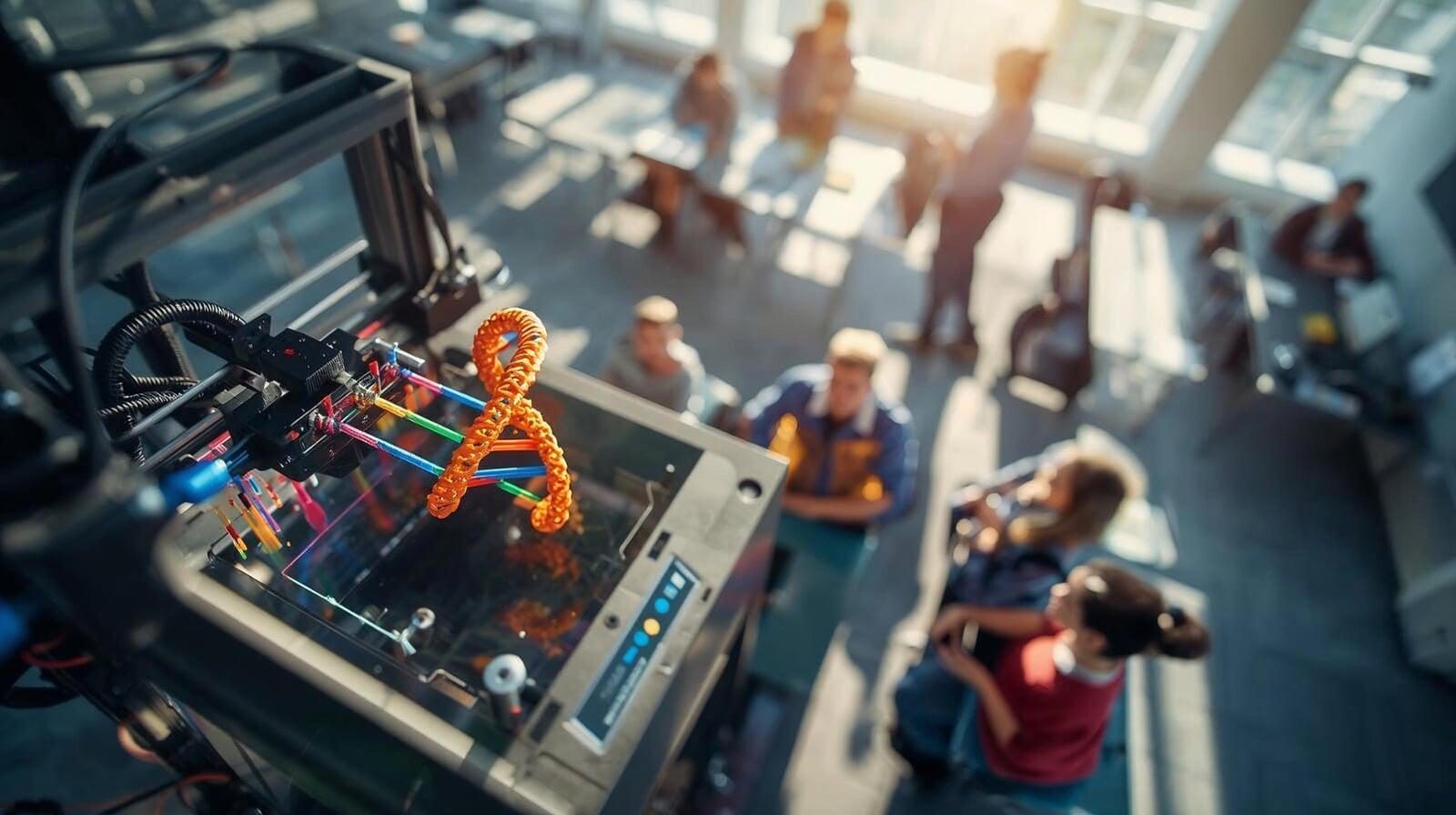
Traditional teaching methods often rely on textbooks and diagrams to explain complex scientific or mathematical concepts. With 3D printing, students can design and create physical models that make abstract ideas easier to understand. For example, a biology class can print models of cells or organs, while a physics class can produce prototypes to study motion and forces. This hands-on approach deepens comprehension and retention.
2. Encouraging Creativity and Innovation
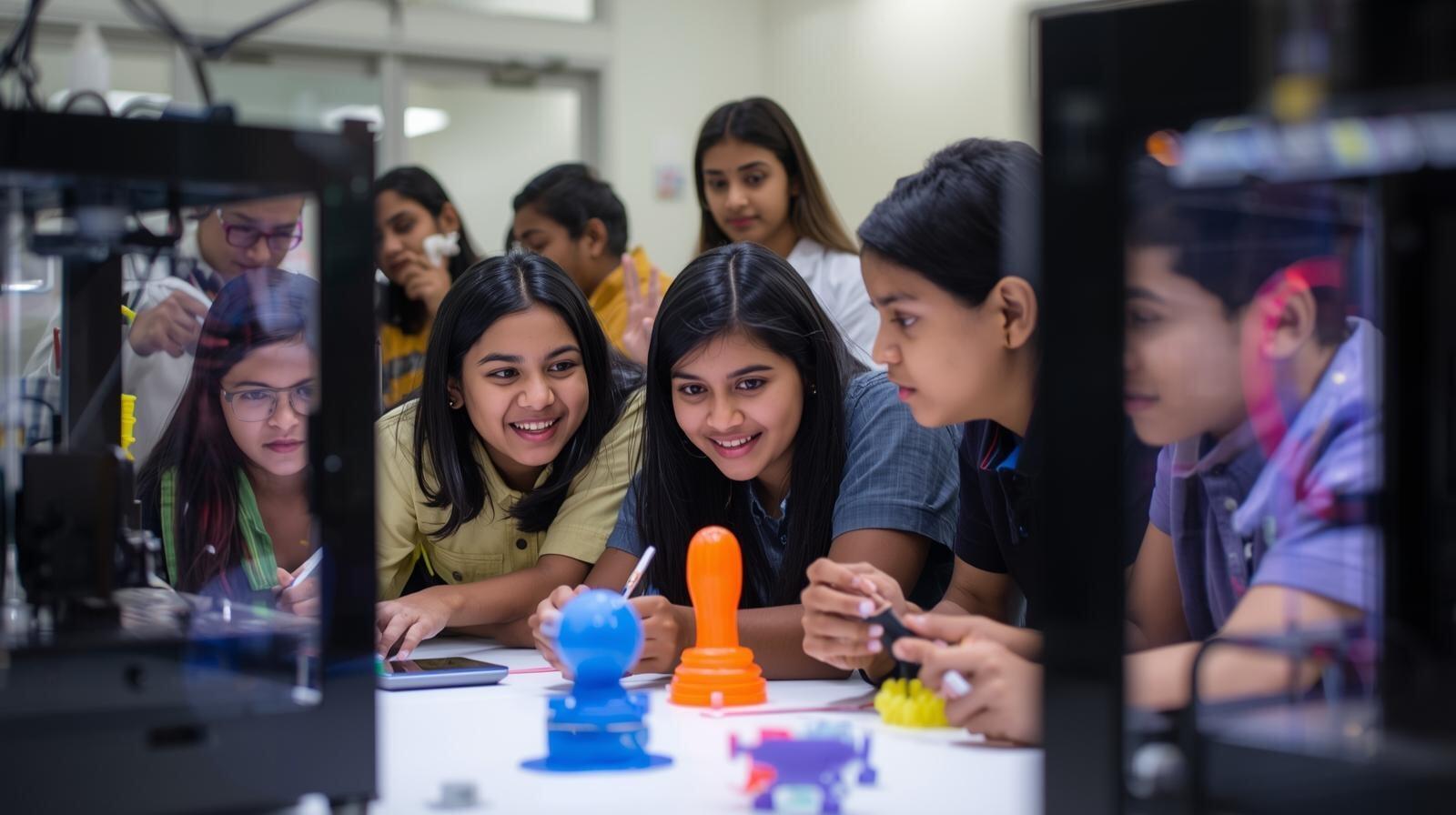
3D printing empowers students to become creators rather than passive learners. It encourages experimentation, design thinking, and problem-solving—skills essential for STEM careers. Students can design prototypes, test their ideas, and refine them through iteration, mirroring real-world engineering and research processes. This fosters a mindset of innovation and resilience.
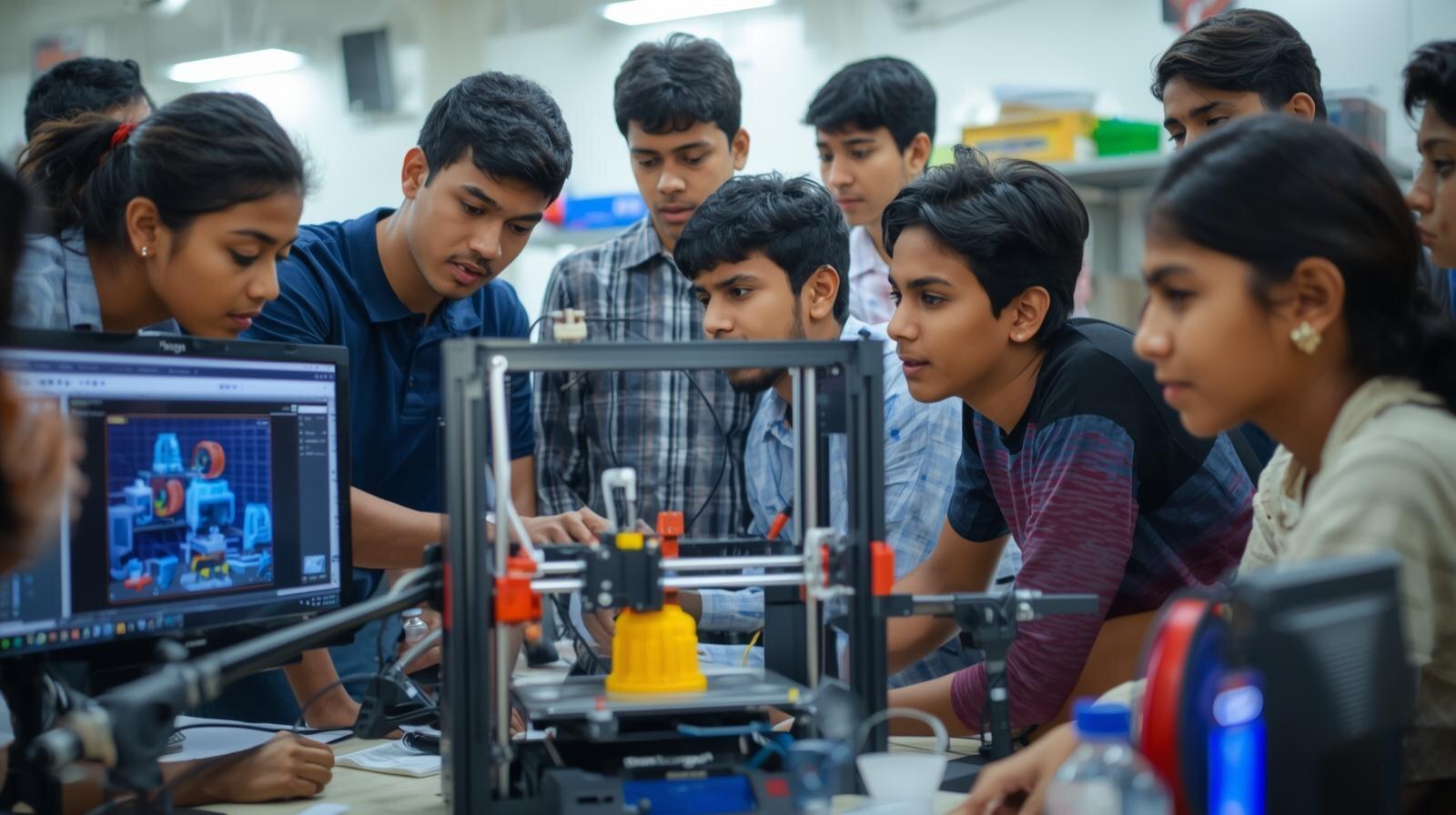
3. Enhancing Collaboration and Teamwork
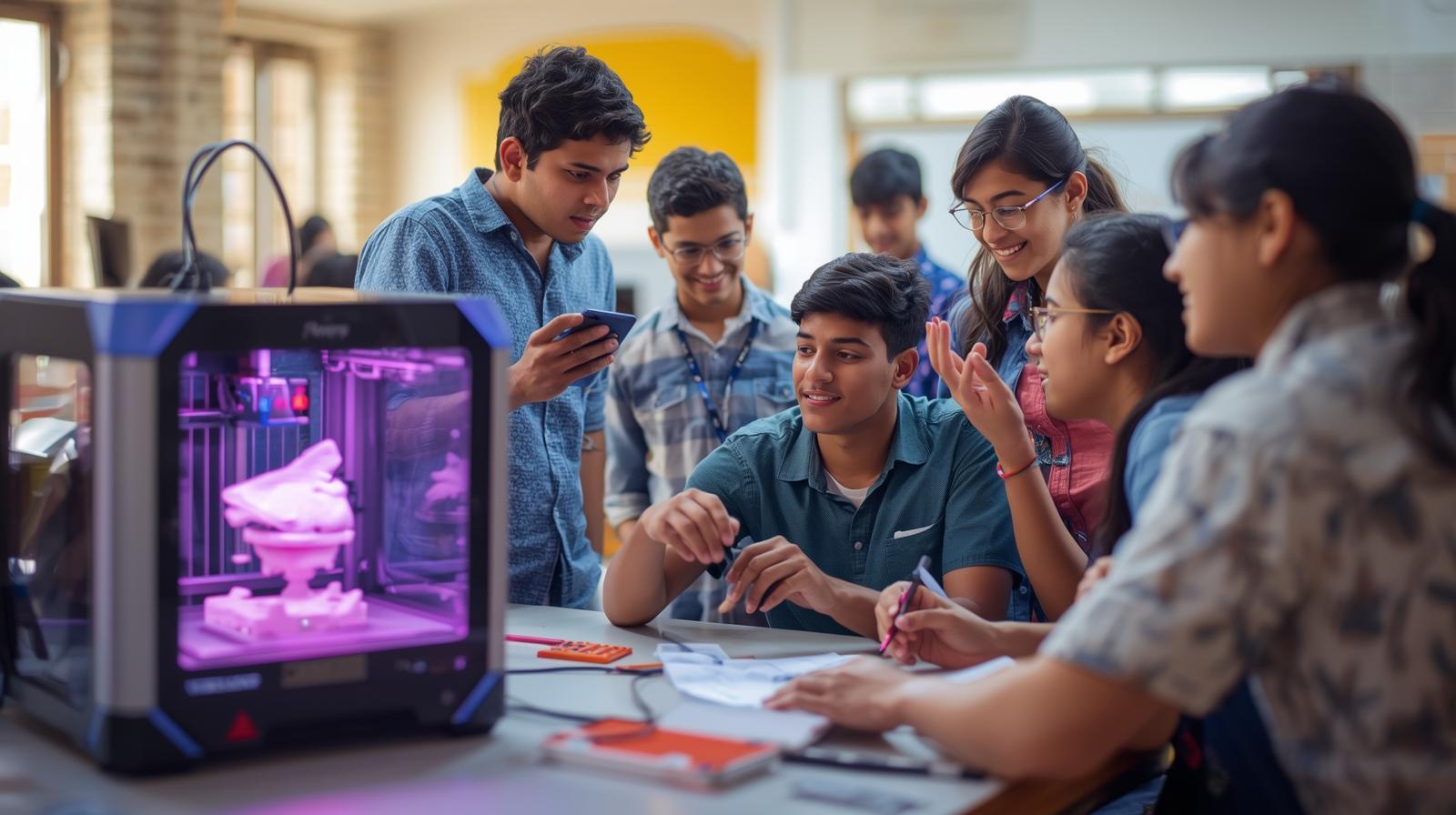
STEM projects often require collaboration across disciplines. 3D printing projects naturally promote teamwork as students work together to design, model, and print their creations. This collaborative environment mirrors professional engineering and technology settings, helping students develop communication and project management skills.
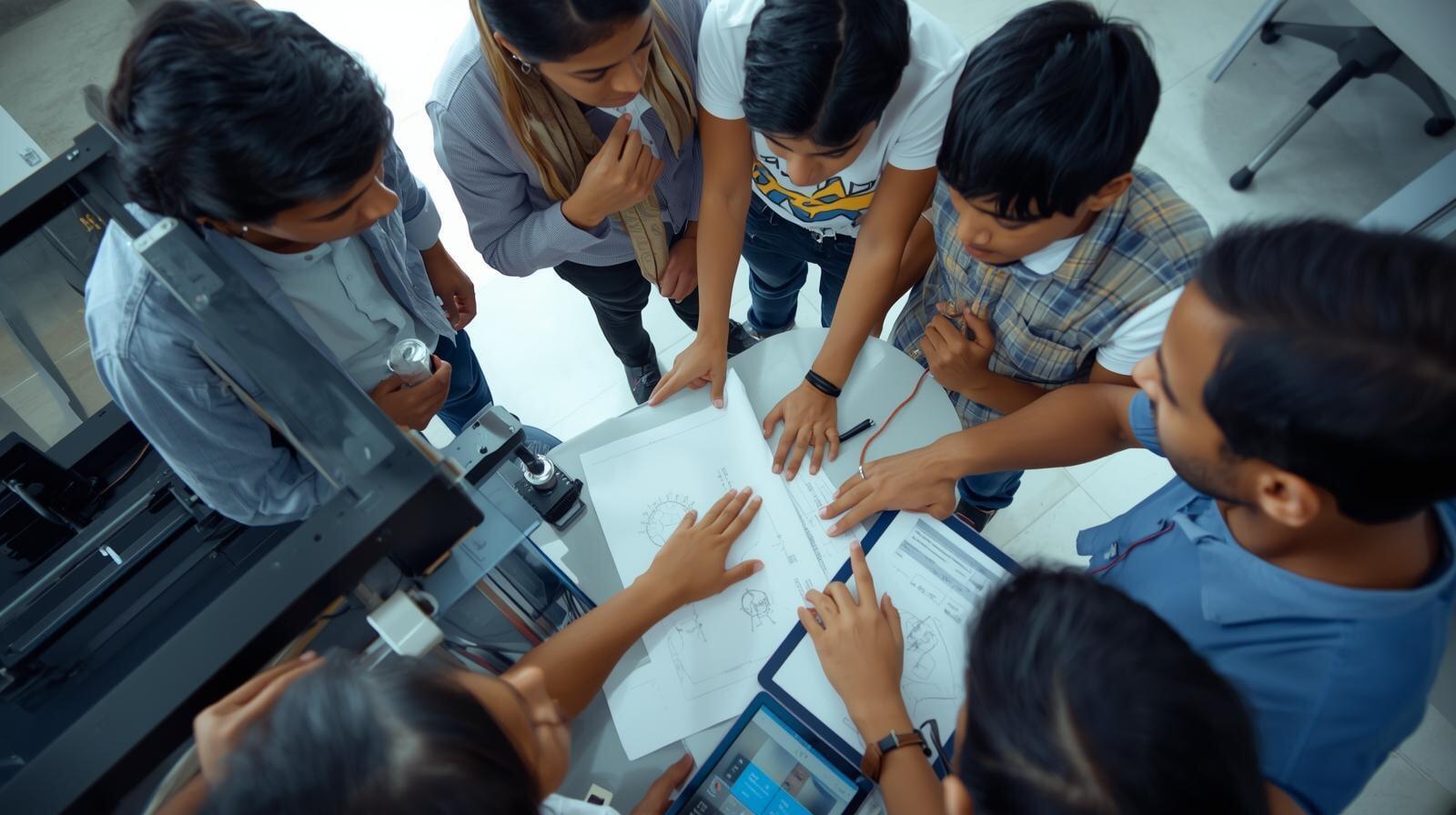
4. Promoting Critical Thinking and Problem-Solving
Designing for 3D printing requires logical thinking, spatial awareness, and an understanding of materials and mechanics. Students must analyze problems, plan solutions, and troubleshoot errors during the printing process. This iterative learning cycle strengthens analytical and critical thinking abilities—core components of STEM education..
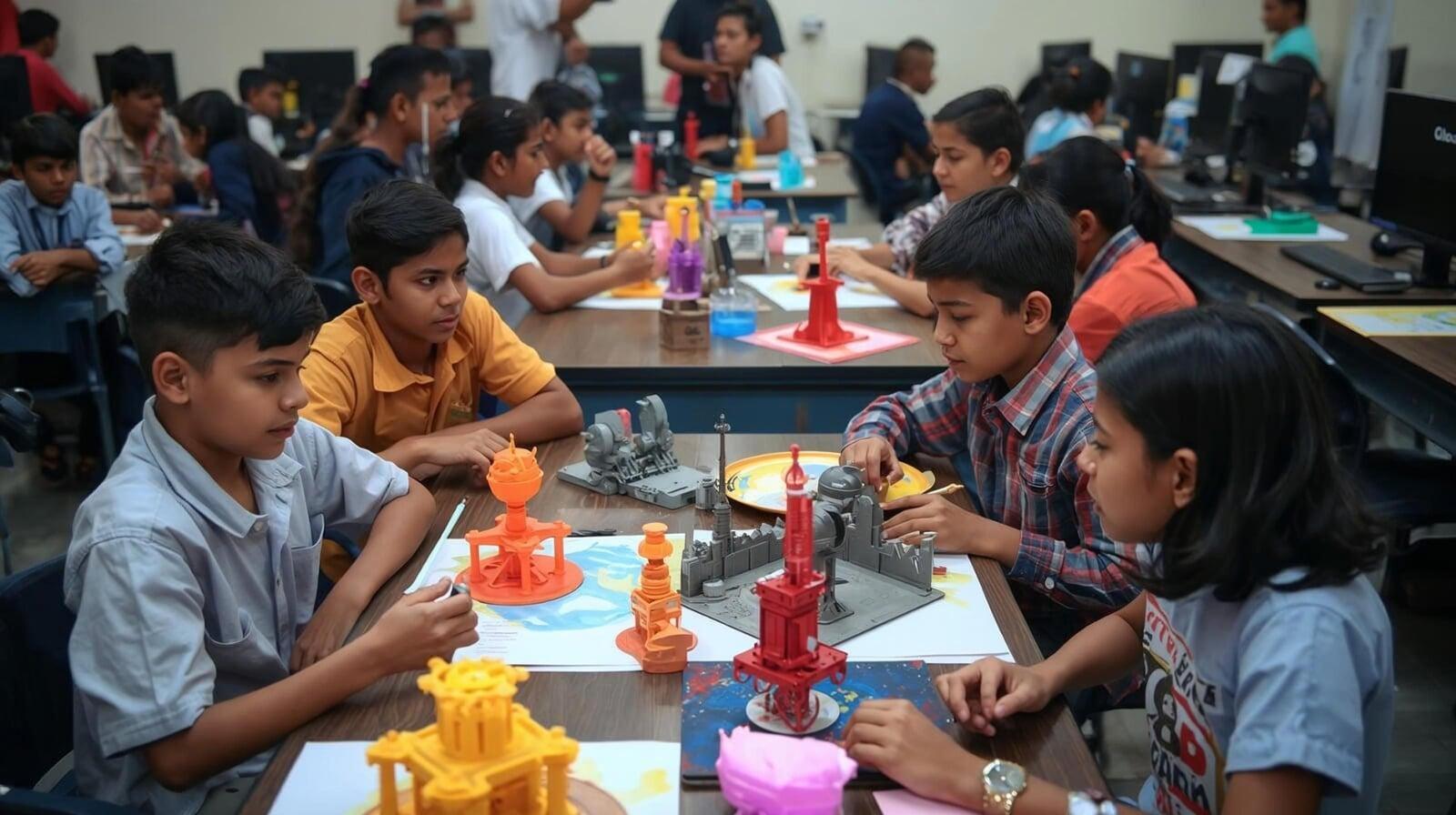
5. Making Learning Inclusive and Engaging
3D printing caters to diverse learning styles. Visual learners benefit from seeing and touching models, while kinesthetic learners thrive through hands-on creation. The excitement of designing and printing their own projects keeps students engaged and motivated, transforming classrooms into active learning spaces.
6. Preparing Students for Future Careers
Industries such as engineering, healthcare, architecture, and manufacturing increasingly rely on 3D printing technology. Introducing students to this technology early equips them with relevant skills for future careers. Understanding 3D modeling, design software, and digital fabrication gives students a competitive edge in the job market.
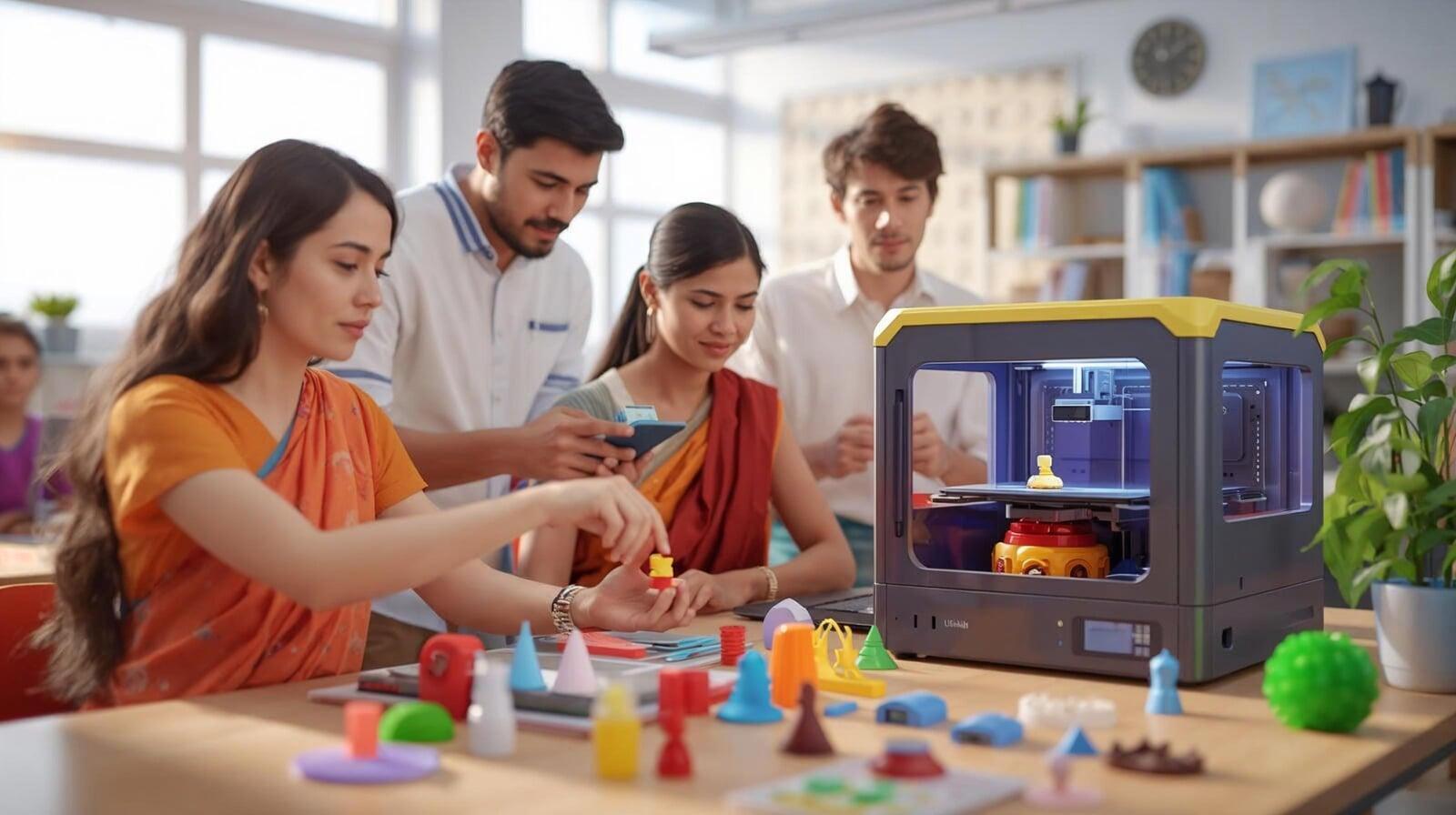
7. Supporting Sustainable and Cost-Effective Learning
3D printing allows schools to create custom teaching aids and prototypes at a fraction of the cost of traditional materials. Instead of purchasing expensive lab models or equipment, educators can print them on demand. This not only saves resources but also promotes sustainability by reducing waste through recyclable materials.
8. Integrating Across the Curriculum
While 3D printing is central to STEM, its applications extend beyond. Art, design, and even history classes can use 3D printing to recreate artifacts, design sculptures, or visualize historical structures. This interdisciplinary approach enriches the overall learning experience and encourages students to see connections between subjects.
Conclusion
3D printing is revolutionizing STEM education by transforming classrooms into innovation labs. It nurtures creativity, critical thinking, and collaboration—skills essential for the 21st-century workforce. By integrating 3D printing into school curricula, educators can inspire the next generation of scientists, engineers, and innovators who will shape the future through imagination and technology.